Torrefaction is a mild thermal treatment that heats biomass in a low-oxygen environment to improve its properties as a renewable solid fuel or process feedstock.
Untreated biomass often has high moisture content, low energy density, variable composition, and poor handling characteristics. It can absorb water, degrade during storage, and be expensive to transport over long distances.
Torrefaction helps address these challenges by partially decomposing hemicellulose and removing moisture and some volatile components. The result is a darker, drier, more brittle material with improved grindability, better storage stability, and higher energy density compared with the original biomass.
From a sustainability perspective, torrefied biomass can support the transition away from fossil carbon where responsibly sourced feedstocks are used. It may be suitable for applications such as renewable heat, industrial fuels, co-firing, gasification, or as an intermediate material for further processing. Its improved handling and transport characteristics can also reduce logistics-related impacts compared with untreated biomass.
The sustainability benefit depends on the full value chain, including feedstock origin, land-use impacts, harvesting practices, process energy, emissions control, and end use. Torrefaction is most valuable where it improves the efficiency, reliability, and carbon performance of using biomass in place of fossil-based alternatives.
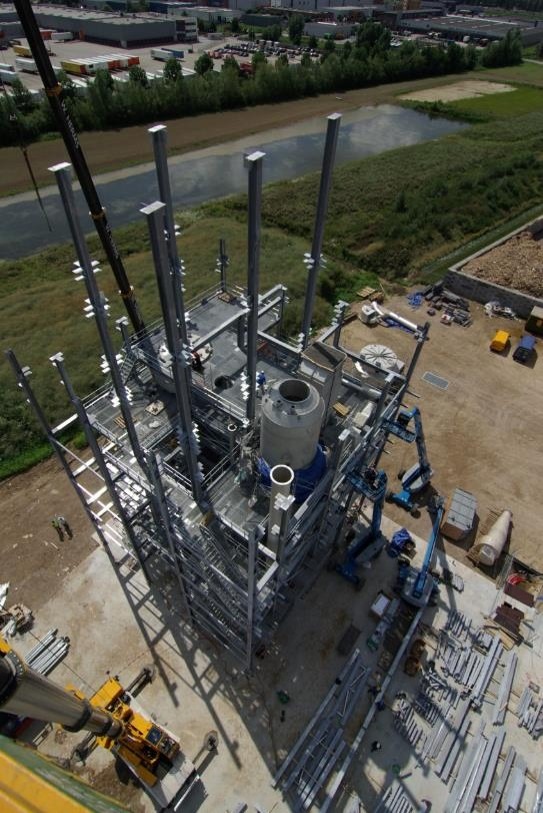
Pictured is a commercial torrefaction plant built using Torftech’s technology: part of the range of our thermal biomass processing solutions.